1. The 2026 IaC Evolution: Licensing, Control Planes & IDPs
The Infrastructure as Code ecosystem has fundamentally shifted. For nearly a decade, HashiCorp Terraform stood virtually uncontested as the universal standard for cloud orchestration. However, three tectonic forces have transformed the landscape:
- The BSL License Fork: HashiCorp's move to the Business Source License (BSL) catalyzed the creation of OpenTofu under the Linux Foundation, providing a truly open-source drop-in fork with rapid community innovation.
- The Shift Toward Developer Self-Service (IDPs): Platform engineering teams building Internal Developer Portals demand modular, reusable building blocks and composable APIs rather than raw HCL copy-paste configurations.
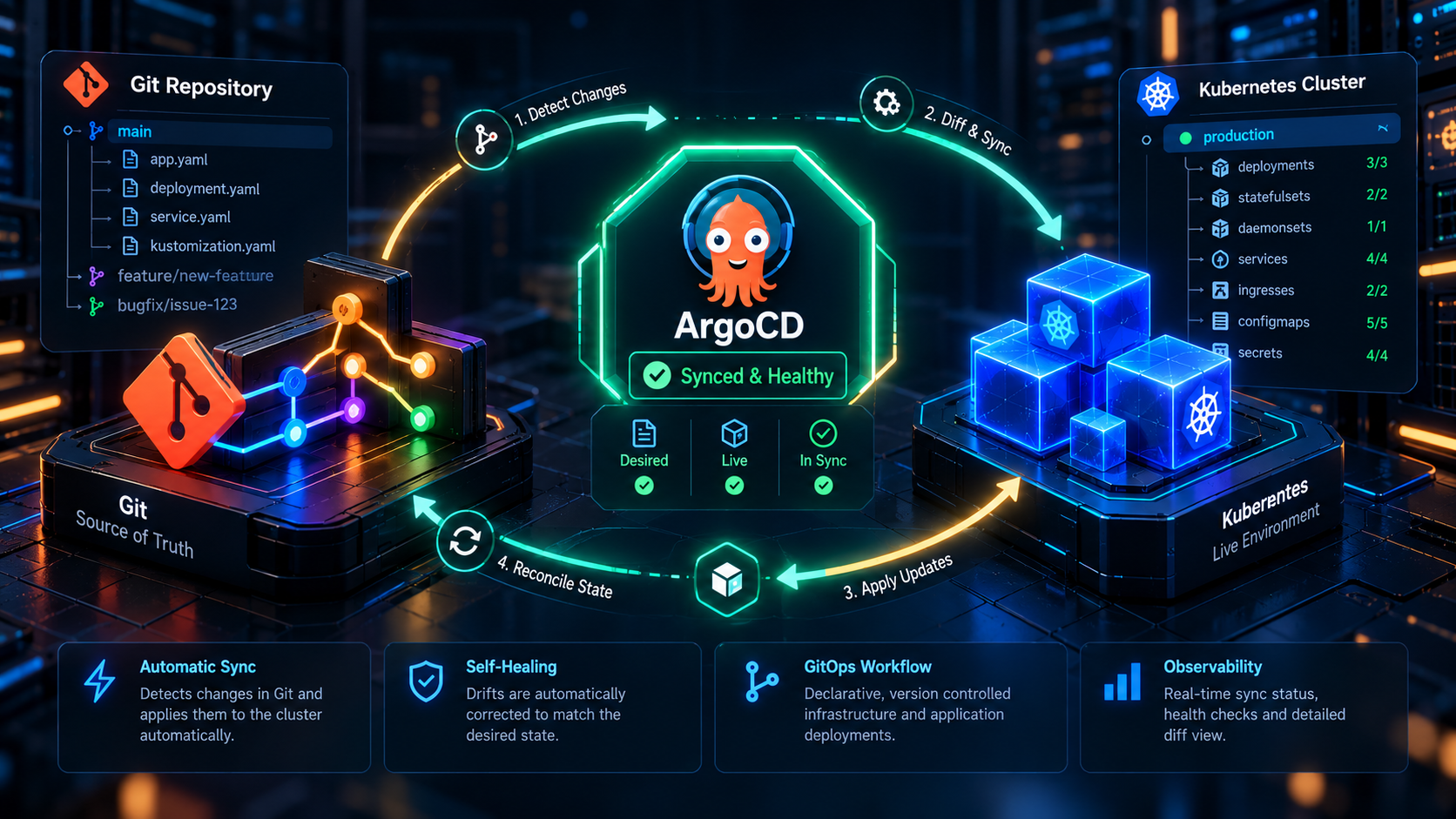
- Continuous Reconciliation vs Static Pipelines: Organizations are realizing the limitation of static CI/CD pipelines (git commit → plan → apply) and embracing Kubernetes-native control loops (Crossplane) that enforce desired state 24/7.
2. Three Competing Execution Models: Pipelines vs Compilers vs Reconcilers
Choosing an IaC tool in 2026 is no longer about syntax; it is about choosing your organization's operational execution paradigm:
┌────────────────────────────────────────────────────────────────────────┐
│                        THE 3 MODERN IAC PARADIGMS                      │
├────────────────────────────┬──────────────────────┬────────────────────┤
│ 1. Declarative DSL         │ 2. General-Purpose   │ 3. Continuous K8s  │
│    (Terraform / OpenTofu)  │    (Pulumi)          │    (Crossplane)    │
│              │             │          │           │         │          │
│     Git PR ──▼── Plan      │   TypeScript/Python  │   K8s Custom CRD   │
│              │             │          │           │         │          │
│     Merge  ──▼── Apply     │   Language SDK Graph │   Continuous 24/7  │
│              │             │          │           │   Reconciliation   │
│     State: S3 Backend      │   State: Pulumi Cloud│   State: etcd      │
└────────────────────────────┴──────────────────────┴────────────────────┘
Understanding this paradigm split is essential: Terraform and Pulumi execute only when triggered in CI/CD. Crossplane continuously polls cloud provider APIs to enforce state and repair out-of-band configuration drift 24 hours a day.
3. Terraform & OpenTofu: The Declarative DSL Benchmark
HashiCorp Configuration Language (HCL) remains the universal lingua franca of cloud infrastructure.
Strengths:
- Provider Ecosystem: Over 3,500 community and official providers covering every cloud, SaaS tool, and network appliance on earth.
- Determinism & Safety: The strict AST generated by
terraform planprovides clear pre-apply visibility into deletes, replacements, and creations. - OpenTofu Parity: OpenTofu guarantees open-source licensing under the Linux Foundation with native state encryption and early-evaluated variables.
Weaknesses:
- DSL Limitations: HCL lacks true imperative programming constructs (complex loops, recursion, dynamic types).
- Unit Testing Friction: Testing requires external tools (Terratest in Go or native
terraform testintroduced in 1.6+).
4. Pulumi: General-Purpose Languages & Unit-Testable IaC
Pulumi allows software engineers to declare cloud resources in TypeScript, Python, Go, C#, or Java.
Strengths:
- Real Software Engineering: Native IDE auto-completion, refactoring tools, loops, functions, and object-oriented abstractions.
- Native Unit Testing: Write fast in-memory mocks and unit tests using standard testing frameworks (Jest, PyTest, Mocha) without provisioning live cloud resources.
- Terraform Provider Compatibility: Pulumi bridges the entire Terraform provider ecosystem via its resource provider engine.
Weaknesses:
- Cognitive Overhead: Giving developers full programming languages can lead to spaghetti code, non-deterministic HTTP calls during preview, and unmaintainable architectures.
- State Backend Dependency: Highly coupled to Pulumi Service (Cloud SaaS) unless self-hosting state in S3.
5. Crossplane: Kubernetes-Native Control Loops & Composable APIs
Crossplane extends a Kubernetes cluster into a universal cloud control plane. Infrastructure is declared as Kubernetes Custom Resource Definitions (CRDs).
Strengths:
- Continuous Drift Reconciliation: Crossplane controllers poll cloud APIs every minute. If someone modifies a Security Group in the AWS console, Crossplane actively reverts it without human intervention.
- Composite Resource Definitions (XRDs): Platform teams define clean, opinionated APIs (e.g.
kind: ProductionDatabase) while hiding raw VPC/subnet/security group complexity from developers. - RBAC & GitOps: Leverage native Kubernetes RBAC, ArgoCD, and Flux for infrastructure deployment.
Weaknesses:
- Kubernetes Dependency: Requires managing a dedicated management Kubernetes cluster 24/7.
- High Memory Footprint: Providers running as in-cluster pods consume non-trivial CPU and memory.
6. CloudFormation & AWS CDK: The Native Managed Stack Alternative
AWS CloudFormation is Amazon's first-party managed IaC engine, paired with the AWS Cloud Development Kit (CDK).
Strengths:
- Zero State Maintenance: AWS manages state internally. No S3 state buckets or DynamoDB lock tables to configure.
- AWS CDK Constructs: Rich Level 3 (L3) construct libraries that generate sensible, secure AWS defaults with two lines of TypeScript.
Weaknesses:
- Strict AWS Lock-In: Cannot manage Cloudflare, Datadog, GitHub, or multi-cloud resources natively.
- Rollback Deadlocks: Midway update failures can lock stacks in
UPDATE_ROLLBACK_FAILED, requiring manual intervention.
7. Comprehensive 2026 IaC Feature & Capability Matrix
| Feature / Vector | Terraform & OpenTofu | Pulumi | Crossplane | AWS CloudFormation |
|---|---|---|---|---|
| Core Paradigm | Declarative DSL (HCL) | Imperative / Declarative (TS/Python/Go) | Continuous K8s Control Plane | Declarative JSON/YAML + CDK |
| Execution Model | Static pipeline (PR → Apply) | Static pipeline (PR → Up) | 24/7 Continuous Reconciliation Loop | Server-side AWS service queue |
| Drift Detection | On-demand during plan/apply | On-demand during preview/refresh | Continuous active auto-remediation | On-demand read-only detection |
| State Storage | Remote S3/GCS + DynamoDB Locking | Pulumi Cloud or self-hosted S3 | Kubernetes etcd database | Managed internally by AWS |
| Ecosystem Breadth | 3,500+ Universal Providers | Terraform Bridge + Native SDKs | Cloud Upjet Providers (AWS/GCP/Azure) | Strictly AWS Native (3rd-party custom) |
| Testing Support | terraform test, Terratest, OPA |
Native Unit Tests (Jest, PyTest, Go) | Kuttl, Chainsaw, Kyverno/OPA | TaskCat, CDK Assertions, cfn-lint |
| Self-Service Fit | Moderate (Requires Terragrunt/Harness) | High (Component Resources & Micro-stacks) | Exceptional (Native XRDs & Backstage) | Service Catalog / CDK Constructs |
8. Testing, Policy-as-Code (OPA/Conftest) & Drift Detection
Enforcing security and governance before provisioning live infrastructure is mandatory. Here is how testing divides across the tools:
- Terraform/OpenTofu: Static JSON plan analysis using
conftestand Open Policy Agent (OPA) policies in CI. - Pulumi: Native crossguard policies and in-memory mock assertions running in standard CI runners in milliseconds without hitting cloud endpoints.
- Crossplane: Kyverno and OPA Gatekeeper validating Kubernetes custom resources at admission time before CRDs are accepted by the API server.
9. Strategic Recommendations by Team Profile
- You manage hybrid stacks (AWS + Datadog + Cloudflare + Snowflake).
- You want a proven industry standard with millions of public modules and battle-tested talent available.
- Software engineers own their cloud infrastructure and despise DSL limitations.
- You require complex dynamic configuration logic and fast, in-memory unit tests in PRs.
- You run Kubernetes at scale and want to expose curated cloud primitives as native K8s manifests.
- You require continuous, self-healing drift reconciliation 24/7 without manual pipeline re-runs.
10. Frequently Asked Questions (FAQ)
Is Terraform still free to use for commercial projects?
Yes. HashiCorp's BSL license allows free use for commercial production workloads as long as you do not build a competing commercial competitive offering. However, OpenTofu is completely open-source under MPL-2.0 and governed by the Linux Foundation.
Can Crossplane completely replace Terraform?
Yes, Crossplane can manage all cloud resources. However, many enterprise platform teams use Terraform to provision the foundational Kubernetes clusters and networking, and then use Crossplane inside the cluster for tenant infrastructure and application workloads.
Does Pulumi execute faster than Terraform?
Pulumi's language runtime compiles graphs fast, but cloud API invocation speed is bound by the cloud provider endpoints. However, Pulumi's ability to run native in-memory unit tests without touching cloud APIs dramatically accelerates CI feedback loops.