1. The Startup Sizing Paradox: Simplicity vs Premature Scale
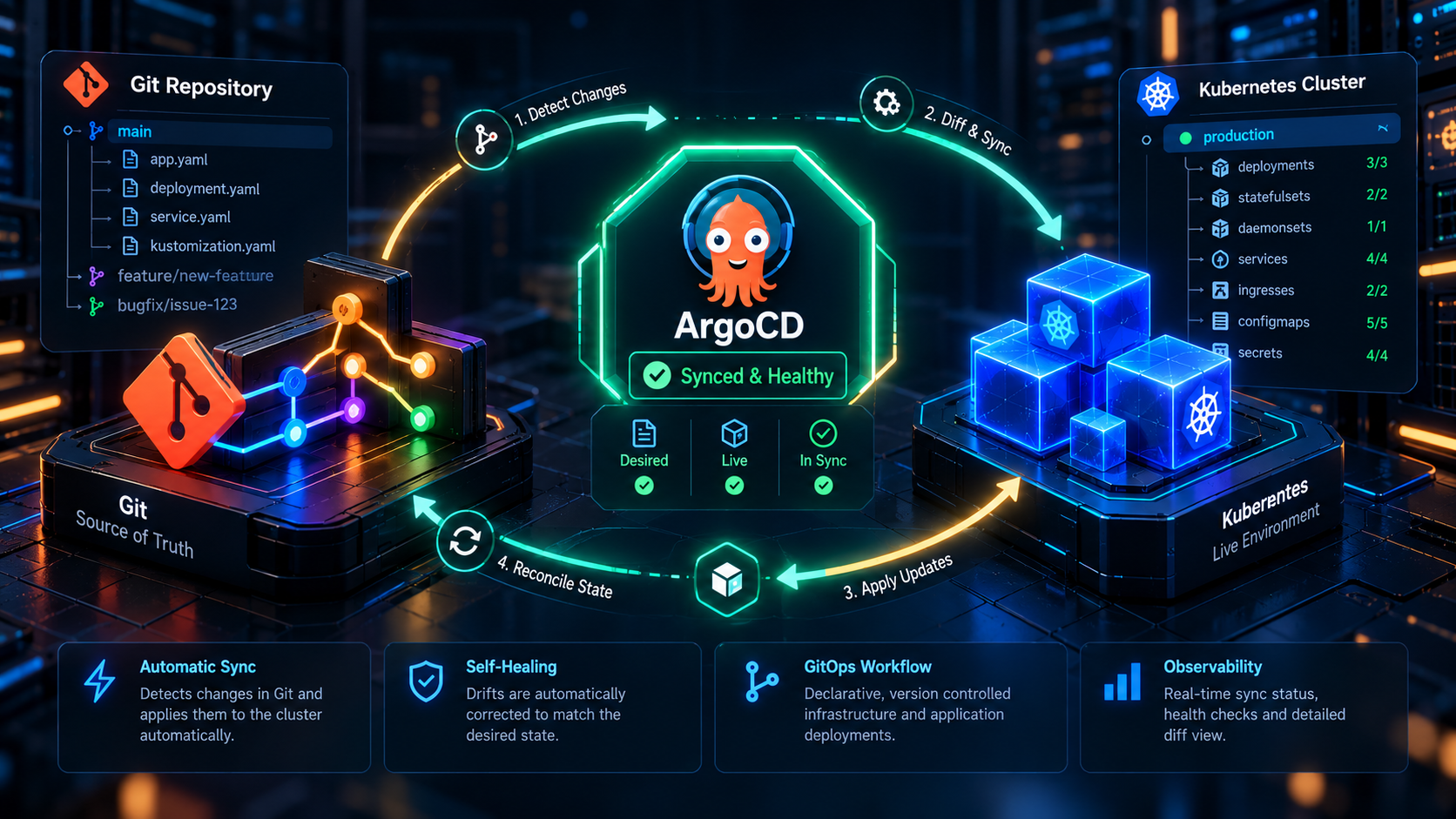
Every startup architect faces the temptation to design for 10 million concurrent users on Day 1. You open Twitter, read about Netflix's multi-region microservices mesh, and suddenly your 2-person development team is wrestling with AWS EKS control plane upgrades, Istio service meshes, and Kafka clustering.
The goal of early-stage infrastructure is singular: achieve maximum iteration velocity with near-zero fixed monthly overhead and enterprise security hygiene.
2. Reference Pattern 1: The Serverless MVP Stack ($0–$25/mo)
For pre-revenue startups validating product-market fit with intermittent traffic, an event-driven Serverless topology eliminates idle compute costs entirely:
┌────────────────────────────────────────────────────────────────────────┐
│                   PATTERN 1: SERVERLESS MVP ($0–$25/mo)                │
├────────────────────────────────────────────────────────────────────────┤
│ Client Request ──▶ Amazon CloudFront (Edge Caching & SSL)             │
│                      ├── Web App Static Assets ──▶ Amazon S3           │
│                      └── Dynamic API Calls ──▶ Amazon API Gateway HTTP │
│                                                  └── AWS Lambda        │
│                                                        └── Aurora PG   │
└────────────────────────────────────────────────────────────────────────┘
With CloudFront Free Tier (1TB egress/mo), API Gateway HTTP APIs ($1.00 per million calls), and AWS Lambda Free Tier (1 million requests + 3.2M seconds of compute/mo), your compute tier costs literally $0.00 until you gain significant customer traction.
3. Reference Pattern 2: The Production Containerized Stack ($95–$220/mo)
Once you have paying enterprise customers, WebSockets, background queue workers (Celery, BullMQ, Sidekiq), or long-running database connections, migrate to Amazon ECS Fargate:
┌────────────────────────────────────────────────────────────────────────┐
│           PATTERN 2: PRODUCTION ECS FARGATE ($95–$220/mo)              │
├────────────────────────────────────────────────────────────────────────┤
│ Route 53 ──▶ AWS ALB (Application Load Balancer, Multi-AZ)             │
│                │                                                       │
│                ├── Public Subnet AZ-A & AZ-B                           │
│                │     └── fargate13s micro-NAT or VPC Endpoints         │
│                │                                                       │
│                └── Private App Subnets                                 │
│                      ├── ECS Fargate Tasks (0.25 vCPU, 512MB RAM)      │
│                      │     ├── Web Service (Auto-scaling 2–8 tasks)    │
│                      │     └── Background Worker (1 task)              │
│                      │                                                 │
│                      └── Private DB Subnet (Multi-AZ)                  │
│                            └── Aurora Serverless v2 PostgreSQL         │
└────────────────────────────────────────────────────────────────────────┘
4. Why Running EKS at Seed Stage Kills Engineering Velocity
Amazon Elastic Kubernetes Service (EKS) charges a mandatory $73.00/month control plane fee per cluster before running a single container. For a standard 2-cluster topology (staging + prod), that is $146/month flushed down the drain.
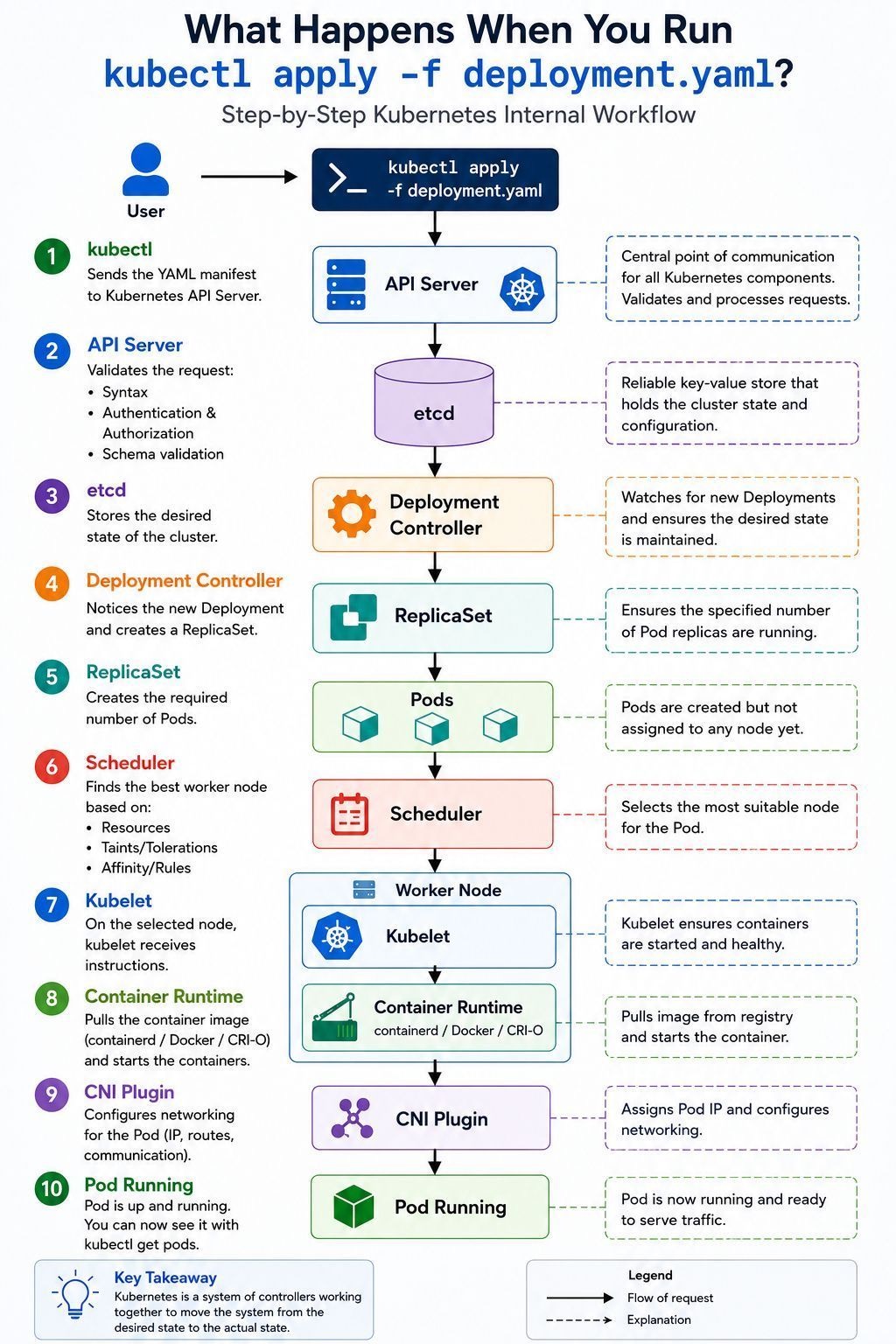
More importantly, Kubernetes introduces massive operational friction: Helm chart drift, Kubelet security patches, CSI/CNI plugin upgrades, and IAM OIDC service account plumbing. ECS Fargate provides identical container isolation, automated rolling updates, and native AWS CloudWatch logging with zero control plane fees and zero cluster maintenance.
5. Database Sizing: Aurora Serverless v2 PostgreSQL on a Budget
Provisioning a fixed db.r6g.xlarge RDS instance costs $240/month even while idling overnight. Amazon Aurora Serverless v2 scales compute in fine-grained increments known as Aurora Capacity Units (ACUs):
# Sizing Aurora Serverless v2 for early-stage startups
resource "aws_rds_cluster" "postgresql" {
  cluster_identifier = "startup-prod-db"
  engine             = "aurora-postgresql"
  engine_mode        = "provisioned"
  engine_version     = "16.1"
  database_name      = "production"

  serverlessv2_scaling_configuration {
    min_capacity = 0.5 # 0.5 ACU = 1GB RAM (~$43/month)
    max_capacity = 4.0 # Scales up automatically under heavy load
  }
}
At 0.5 ACU minimum capacity, your production-grade, multi-AZ PostgreSQL cluster with automatic failover and point-in-time recovery costs approximately $43/month.
6. Multi-AZ Design vs The $65/Month AWS NAT Gateway Tax
A standard AWS NAT Gateway costs $32.40/month plus $0.045 per GB of data processed. In a standard multi-AZ VPC across 2 Availability Zones, running two NAT Gateways costs $65.00/month just for idle networking!
How Early-Stage Startups Eliminate This Tax:
- VPC Gateway Endpoints (Free): Provision S3 and DynamoDB Gateway Endpoints directly in your VPC route tables at $0.00 cost. Docker container image pulls from S3 and backups never touch a NAT Gateway!
- Single AZ NAT Gateway in Non-Prod: Never run multiple NAT Gateways in staging or development environments.
- fmap / fargate-nat Instance: For non-critical outbound internet access (Stripe webhooks, SendGrid API calls), a tiny
t4g.nanoGraviton NAT instance costs only $3.00/month instead of $65/month.
7. Exact Monthly Sizing & Cost Breakdown Matrix
| Component | Specification / Tier | Est. Monthly Cost |
|---|---|---|
| Application Load Balancer | AWS ALB (1 LCU, 2 AZs, SSL termination) | ~$22.00 |
| ECS Fargate Compute | 2x Web Tasks (0.25 vCPU, 0.5GB RAM) 24/7 | ~$18.00 |
| Database (PostgreSQL) | Aurora Serverless v2 (0.5 – 2.0 ACU) | ~$45.00 |
| Egress & Caching | CloudFront (Free Tier up to 1TB/mo) | $0.00 |
| Asset Storage | Amazon S3 Standard (10GB + lifecycle rules) | ~$0.50 |
| CI/CD Pipelines | GitHub Actions OIDC (Keyless) | $0.00 |
| DNS & Certificates | Route 53 (1 Hosted Zone) + ACM SSL (Free) | $0.50 |
| Log Retention | CloudWatch Logs (7-day retention rule) | ~$2.00 |
| TOTAL MONTHLY SPEND | Full Production Stack with High Availability | ~$88.00 / mo |
8. Setting Day-1 Automated Budget Anomaly Alarms
Never launch without automated billing guardrails. Set up an AWS Budget alerting when total monthly spend crosses $100, and link CloudWatch billing alarms to PagerDuty or a Slack alert channel.
9. Frequently Asked Questions (FAQ)
When should a startup transition from ECS Fargate to Kubernetes (EKS)?
Only transition to EKS when: (1) your cloud spend exceeds $8,000/month where node bin-packing savings offset the management tax, (2) you have hired a full-time Platform/SRE engineer, or (3) your core product requires Kubernetes primitives like custom operators or DaemonSets.
Is AWS App Runner a better alternative than ECS Fargate?
AWS App Runner is even simpler than ECS Fargate because it manages the load balancer and TLS certificates automatically. However, App Runner has limited VPC networking configuration and slightly higher idle memory costs ($0.007/GB-hour). For standard web apps, it is a fantastic alternative for zero-DevOps teams.
Can we achieve 99.99% availability on an $88/month budget?
Yes. The Application Load Balancer is multi-AZ by design, ECS Fargate automatically schedules tasks across two distinct Availability Zones, and Aurora Serverless v2 maintains synchronous 6-way storage replication across 3 AZs. An AZ outage will not take down your service.