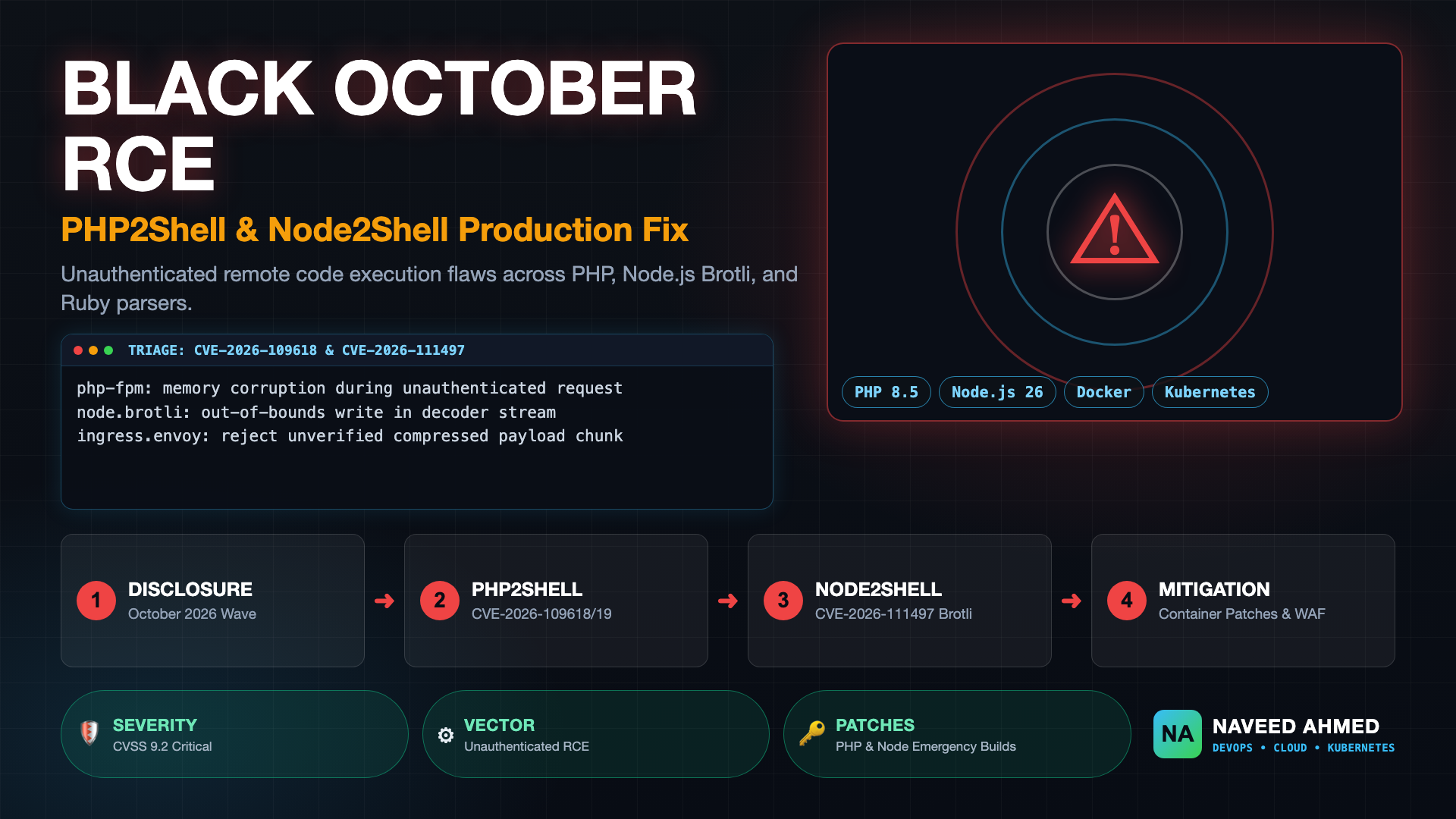
In October 2026, the cybersecurity and infrastructure engineering community experienced a rapid succession of critical remote code execution (RCE) disclosures dubbed Black October. Within a compressed 48-hour window, core language runtimes powering millions of production workloads—including PHP, Node.js, and Ruby—dropped emergency security releases. The black october vulnerabilities, headlined by PHP2Shell and Node2Shell, represent unauthenticated RCE flaws that allow external attackers to compromise backend services before security operations centers can cycle routine patch windows.
For Site Reliability Engineers (SREs), DevOps practitioners, and platform architects, these vulnerabilities exposed systemic fragility in how foundational language decoders and decompression libraries are embedded in modern microservice architectures. When foundational libraries fail at the runtime memory layer, traditional network firewalls and perimeter defenses offer zero mitigation unless specific application-layer countermeasures are enforced.
1. What Are the Black October Vulnerabilities?
The black october vulnerabilities refer to a synchronized wave of critical unauthenticated remote code execution flaws disclosed across foundational backend runtimes in October 2026. The primary vectors include PHP2Shell (CVE-2026-109618/19) affecting PHP core and Node2Shell (CVE-2026-111497) targeting Node.js's native Brotli decompression decoder, requiring immediate container base image updates and proxy mitigations.
Unlike application-level vulnerabilities such as SQL injection or broken access control, the Black October wave targeted lower-level memory management and data-decoding routines built directly into language executables. An attacker does not need an active session, valid API token, or elevated role; sending a specially crafted payload over standard HTTP or HTTPS traffic is sufficient to induce heap corruption, memory overwrite, or direct arbitrary code execution.
Organizations managing containerized fleets on AWS EKS, Google Cloud GKE, or self-hosted Kubernetes clusters faced an immediate operational challenge: scanning thousands of running container images, identifying vulnerable base layers, and rolling out emergency deployments without introducing production regressions or service downtime.
The 970+ Incident Handbook & K8s Runbooks are exclusive to subscribers — unlock for FREE
Get battle-tested production runbooks, AWS architecture blueprints, and zero-downtime CI/CD post-mortems sent directly to your inbox. 100% free, no spam.
2. Black October CVE & Impact Matrix
Understanding the exact attack surface of the Black October wave requires categorizing each vulnerability by CVE identifier, severity, vulnerable component, and emergency release target. The matrix below outlines the critical vulnerabilities disclosed during this incident window.
| Vulnerability Name | CVE Identifier | CVSS Score | Vulnerable Component | Minimum Fixed Version | Attack Vector |
|---|---|---|---|---|---|
| PHP2Shell (Vector A) | CVE-2026-109618 |
9.2 Critical | PHP Core Memory Allocator | 8.5.12, 8.4.27, 8.3.36, 8.2.35 | Unauthenticated HTTP POST |
| PHP2Shell (Vector B) | CVE-2026-109619 |
9.2 Critical | Input Sanitization Stream Handler | 8.5.12, 8.4.27, 8.3.36, 8.2.35 | Malformed Multipart Stream |
| Node2Shell (HTTP2Shell) | CVE-2026-111497 |
9.1 Critical | Bundled Brotli Decoder Engine | 26.12.1, 24.22.1, 22.23.4 | Compressed HTTP Body / fetch() |
| Ruby2Shell Parser Flaw | CVE-2026-113840 |
8.8 High | Core String Deserializer | 3.5.2, 3.4.6, 3.3.8 | Serialized Object Header |
3. PHP2Shell Deep Dive: Root Cause and Container Fixes
PHP2Shell represents two related remote code execution flaws (CVE-2026-109618 and CVE-2026-109619) stemming from integer overflows and pointer reallocation miscalculations within PHP's native memory management engine. When processing boundary-separated multipart streams, a malformed header length forces an out-of-bounds pointer write, granting arbitrary code execution in the context of the running php-fpm worker process.
Because PHP powers legacy enterprise monolithic backends as well as modern containerized microservices, this vulnerability immediately impacted millions of publicly accessible endpoints. The attack requires no authentication credentials, making it trivial for automated botnets and vulnerability scanners to probe public IP ranges.
Auditing and Upgrading Dockerfiles for PHP
Production engineering teams must verify their container base images and update lockfiles to point exclusively to the emergency patched runtime versions. Below is an example of an insecure legacy Dockerfile compared against the patched production-hardened configuration:
# ❌ VULNERABLE: Unpinned or vulnerable PHP base image
FROM php:8.4.20-fpm-alpine
RUN docker-php-ext-install pdo pdo_mysql

# ✅ PATCHED: Updated to Black October secure patch level (8.4.27+)
FROM php:8.4.27-fpm-alpine3.21

# Enforce non-root execution context
RUN addgroup -g 10001 -S appgroup && \
    adduser -u 10001 -S appuser -G appgroup

USER 10001:10001
CMD ["php-fpm", "-F"]
To verify the runtime version running across your active Kubernetes clusters, execute an ad-hoc cluster audit using kubectl:
$ kubectl get pods -A -l app=api-backend -o jsonpath='{range .items[*]}{.metadata.namespace}{"/"}{.metadata.name}{": "}{.spec.containers[*].image}{"\n"}{end}'
production/api-backend-78f99bc7b-x4k2p: php:8.4.27-fpm-alpine3.21
production/api-backend-78f99bc7b-m9s1q: php:8.4.27-fpm-alpine3.21
staging/api-backend-67cd8b89c-d2j8w: php:8.4.20-fpm-alpine  # ⚠ VULNERABLE RUNTIME DETECTED
If you identify running containers on unpatched versions, initiate an immediate rolling restart after pushing updated container tags to your image registry.
4. Node2Shell: The Brotli Decompression RCE Breakdown
Node2Shell (CVE-2026-111497) is an out-of-bounds write vulnerability located in the native Brotli decompression routine bundled inside Node.js. Attackers exploit this flaw by delivering maliciously crafted Brotli-compressed HTTP payloads (e.g. with Content-Encoding: br) or poisoning third-party API responses ingested by backend fetch() calls, overwriting adjacent heap chunks to hijack execution flow.
Because modern web architectures frequently offload compression to improve API latency, many Node.js middleware frameworks (such as Express, Fastify, and NestJS) automatically decompress incoming request bodies. This architectural pattern created an immediate zero-click exploitation path for external threat actors.
Immediate Mitigation at the Reverse Proxy Layer
In environments where rebuilding thousands of microservice images requires days of testing and release coordination, platform engineers can mitigate Node2Shell at the ingress controller or API gateway level by blocking or stripping client-side Brotli request compression before payloads reach Node.js processes.
Below is an NGINX Ingress configuration snippet demonstrating how to strip client-side request body compression while preserving outbound response compression:
# NGINX Ingress Annotation / ConfigMap snippet
# Strip dangerous client-supplied Content-Encoding headers for incoming requests
map $http_content_encoding $block_compressed_request {
    default 0;
    "~*br"  1;
}

server {
    listen 8080;
    server_name api.enterprise.internal;

    location / {
        # Reject uninspected client-supplied Brotli bodies with HTTP 415
        if ($block_compressed_request) {
            return 415 "Unsupported Media Type: Client request body compression disabled.";
        }

        proxy_pass http://node_backend_upstream;
        proxy_set_header Host $host;
        proxy_set_header X-Real-IP $remote_addr;
        proxy_set_header X-Forwarded-For $proxy_add_x_forwarded_for;
    }
}
By enforcing this rule at your Kubernetes Ingress or Envoy gateway, malicious decompression payloads are rejected at the edge before triggering the native decoder in the Node.js runtime process.
5. How SRE Teams Can Automate Vulnerability Incident Response
Managing the fallout from the black october vulnerabilities highlighted the necessity of automated, agentic vulnerability runbooks. When dozens of microservice dependencies are flagged across global deployments, manual triage creates dangerous latency windows where threat actors can compromise backend databases.
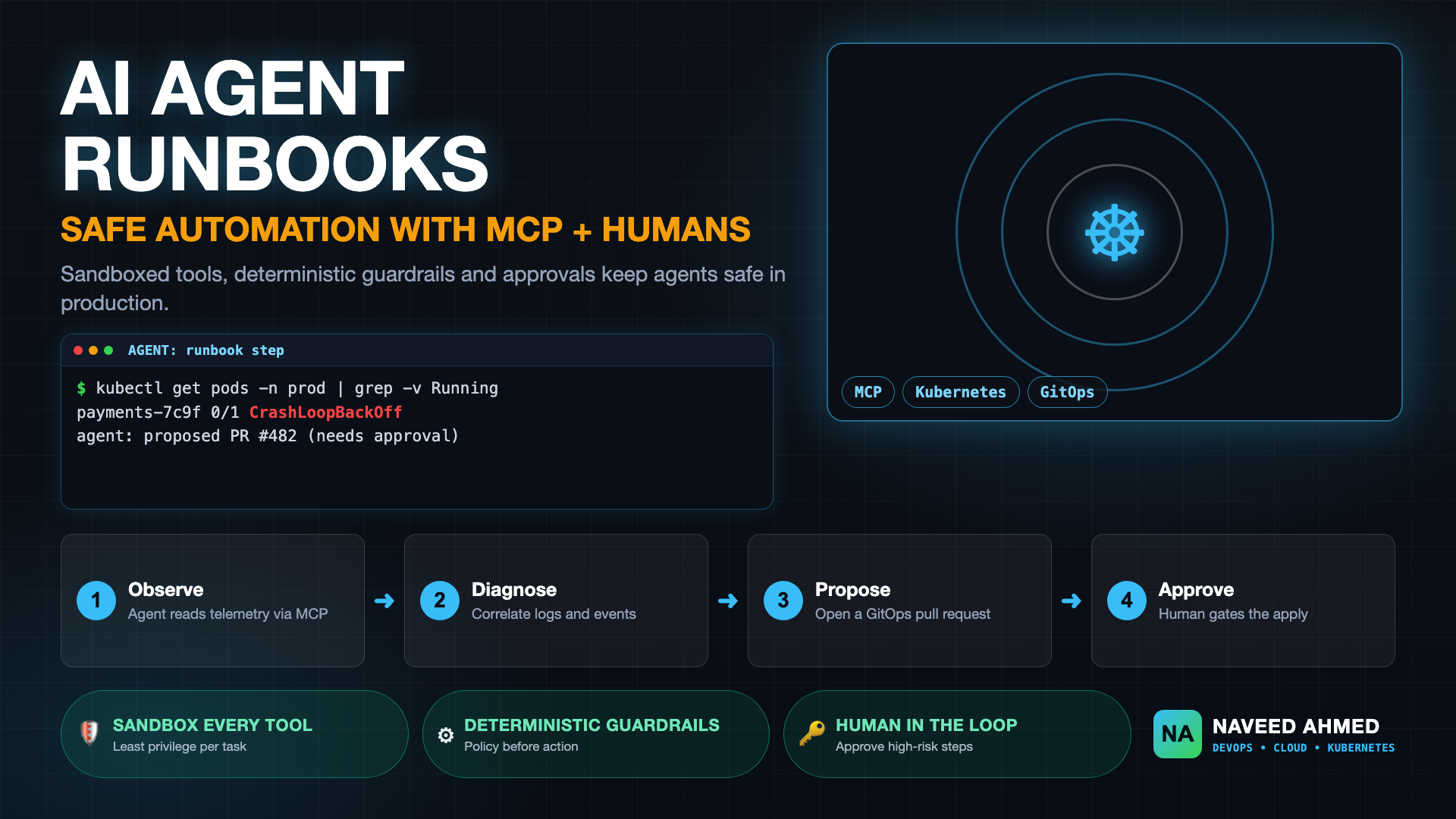
Leading engineering teams utilize autonomous verification pipelines to audit lockfiles and enforce continuous scanning. As detailed in our comprehensive guide on how AI agents automate DevOps runbooks safely, combining declarative policy engines with sandboxed execution environments ensures critical CVE patches can be evaluated and staged automatically.
Furthermore, managing container memory pressure and avoiding cascade failure during sudden restarts requires deep familiarity with resource management. If your emergency patch rollout triggers unexpected pod crashes, review our troubleshooting guide on Kubernetes OOMKilled exit code 137 triage to isolate whether memory limits or runtime decoders are causing container termination.
Additionally, platform architects calculating network isolation subnets and VPC ingress boundaries can leverage our interactive CIDR Subnet Calculator Utility to plan segregated DMZ segments for exposed web services.
6. Long-Term Architectural Takeaways from Black October
The events of Black October have fundamentally shifted how infrastructure security is evaluated for modern container platforms. While emergency patching resolves immediate CVEs, long-term resilience requires three architectural principles:
- Runtime Seccomp and AppArmor Profiles: Never run web containers with unconstrained syscall privileges. Enforcing strict seccomp filters restricts memory remapping and shell spawning even if a native buffer overflow is triggered.
- Read-Only Container Root Filesystems: Configuring
readOnlyRootFilesystem: truein Kubernetes pod security contexts prevents attackers from dropping secondary shell payloads onto disk following an RCE exploit. - Automated Dependency Supply Chain Gates: Enforce CI/CD admission controllers that reject container images built on unpatched base layers before deployment to production namespaces.
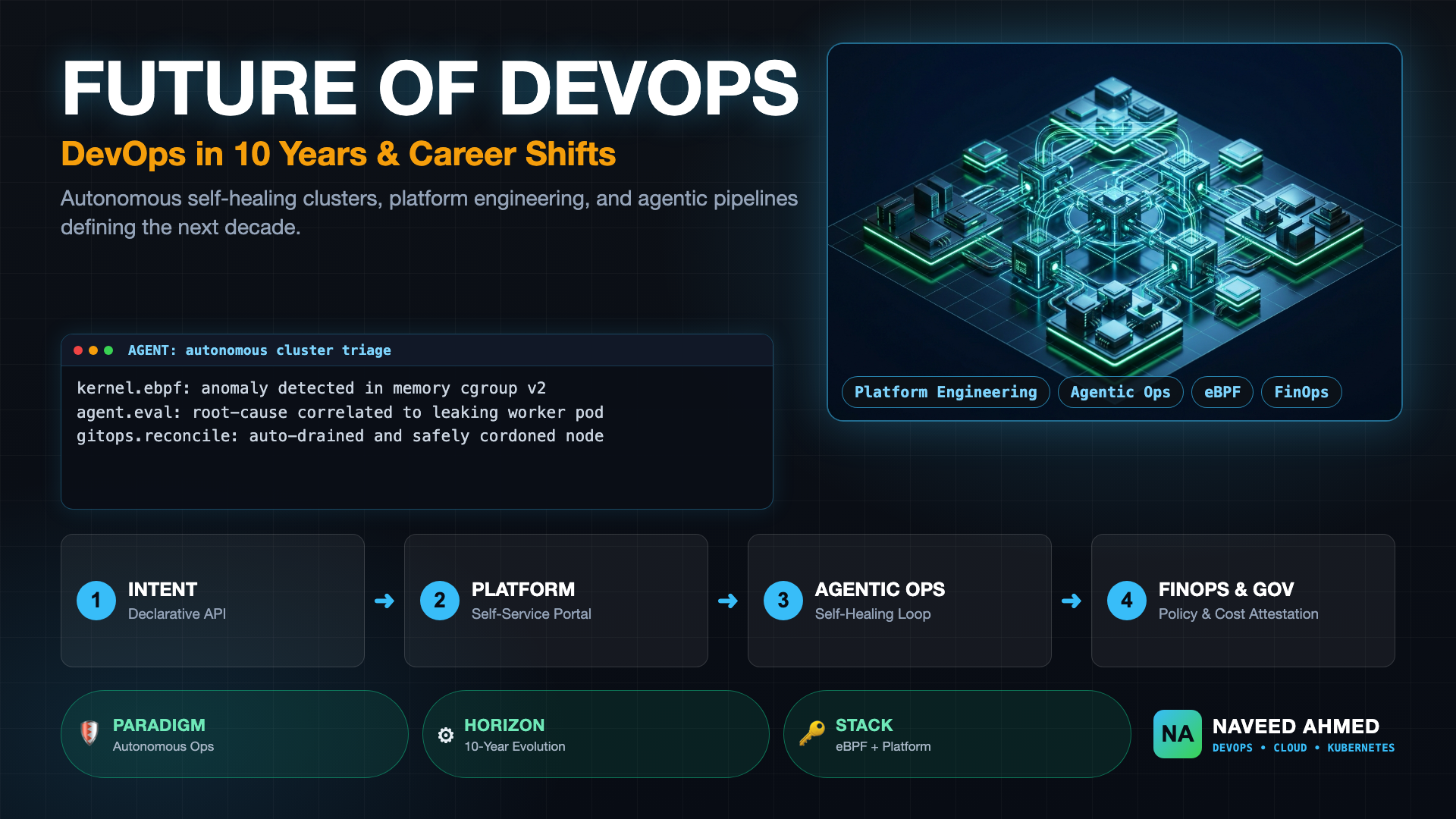
As the industry navigates the evolving relationship between automation and platform engineering discussed in our analysis on the future of DevOps and platform engineering shifts, organizations that prioritize proactive memory safety, automated CVE triage, and defense-in-depth ingress routing will remain resilient against future vulnerability disclosure waves.
Frequently Asked Questions
What are the Black October vulnerabilities?
Black October refers to a compressed wave of critical, unauthenticated remote code execution (RCE) vulnerabilities disclosed across foundational open-source language runtimes in October 2026. The most prominent flaws include PHP2Shell (CVE-2026-109618/19) affecting PHP core and Node2Shell (CVE-2026-111497) affecting Node.js's native Brotli decompression decoder.
What is PHP2Shell and how is it exploited?
PHP2Shell (tracked as CVE-2026-109618 and CVE-2026-109619) is a pair of critical unauthenticated remote code execution vulnerabilities in PHP. Attackers exploit memory management flaws during input processing to achieve arbitrary code execution. It carries a CVSS score of 9.2 and was patched in PHP versions 8.5.12, 8.4.27, 8.3.36, and 8.2.35.
What is Node2Shell (HTTP2Shell) in Node.js?
Node2Shell (CVE-2026-111497) is an out-of-bounds write vulnerability in the native Brotli decompression library bundled inside Node.js. Attackers trigger heap corruption and remote code execution by sending maliciously compressed HTTP request bodies or poisoning HTTP fetch() responses. It was patched in Node.js 22.23.4, 24.22.1, and 26.12.1.
How can SREs mitigate Black October vulnerabilities without immediate downtime?
Teams unable to instantly rebuild all container images can mitigate risk at the reverse proxy layer. For Node2Shell, disabling Brotli decompression on incoming client request bodies at NGINX/Envoy or enforcing strict payload limits prevents malicious compressed streams from reaching vulnerable Node.js runtimes.
Are Ruby and other language runtimes affected by Black October?
Yes. The Black October incident wave exposed systemic memory corruption and parser safety flaws across multiple runtimes, including Ruby stream decoders and certificate validation chains. SRE teams should enforce automated lockfile scans with Trivy or Grype in CI/CD pipelines to catch vulnerable dependencies.